

ANEYA
10 Million Tonnes Saved Annually,
Evolving Grain Storage in India
Aneya is Sustainable Rural Prosperity through Decentralized Grain Storage via G3S
More Healthy Grain for People
More Money for Farmers
More Carbon Credits for India


Millions Tonnes Lost | One Systemic Solution
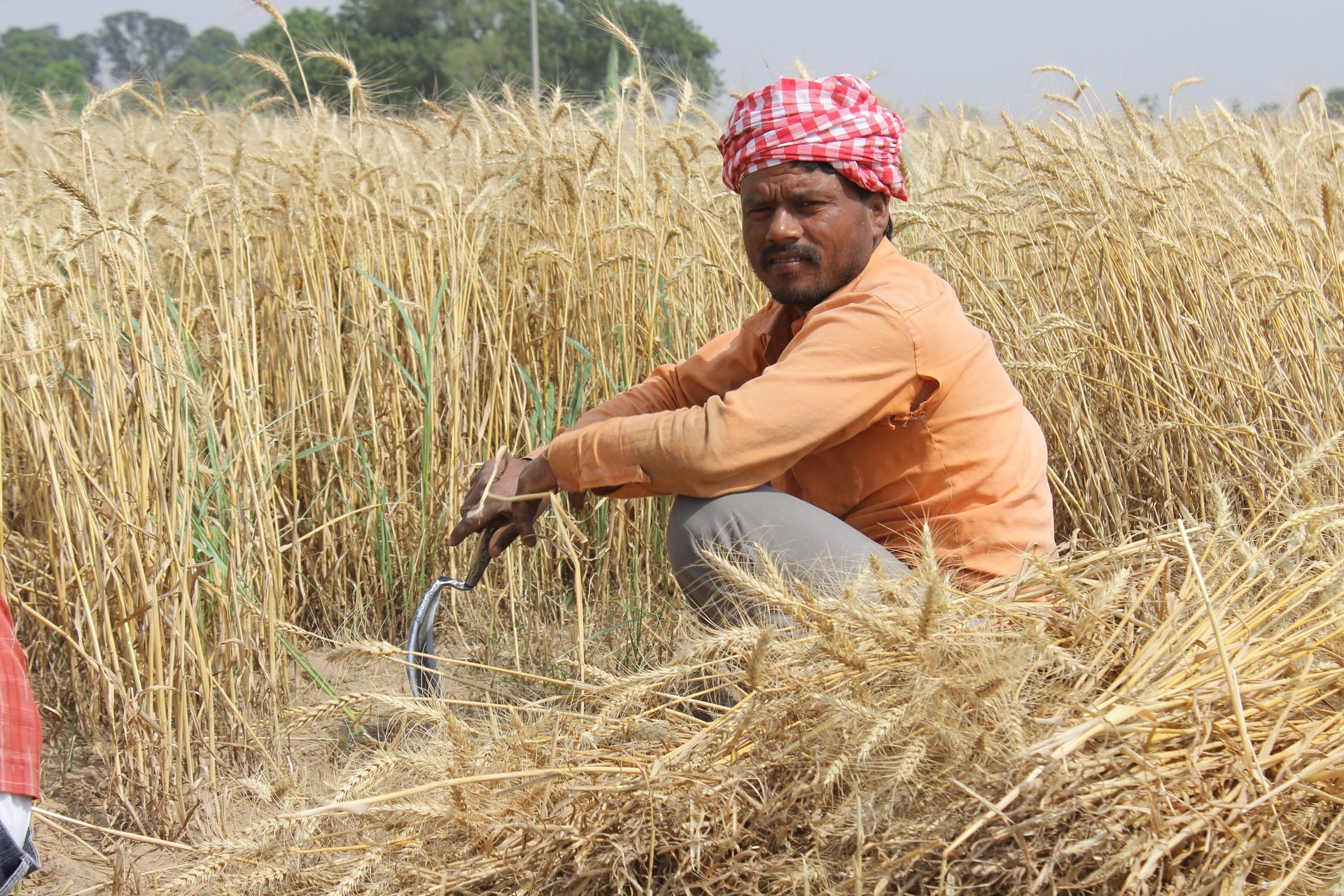
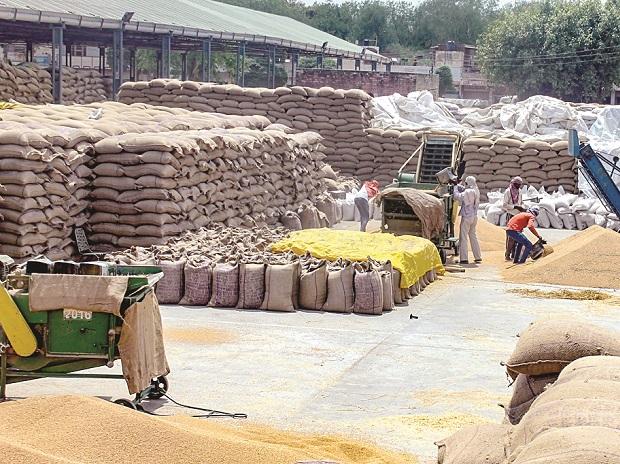
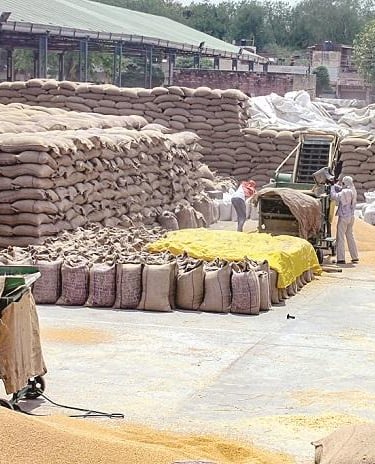
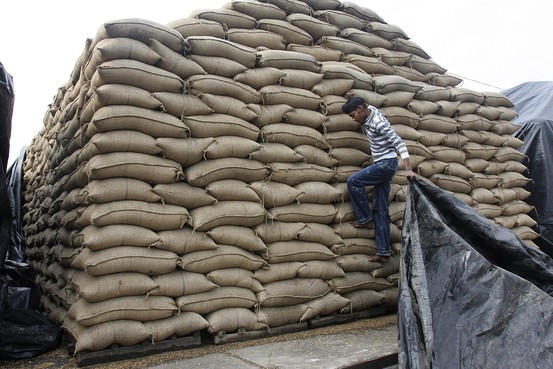
India produces over 300 million tonnes of grain annually, traditionally stored in jute bags—a system that sustains rural employment but faces critical preservation challenges; particularly considering that estimated silo storage capacity is only 150 million tonnes.
The Aneya Initiative introduces the G3S (Grain Sustainable Storage System): a hermetic solution that works with existing jute bags, reducing losses from up to 15% to less than 2% whilst generating carbon credits to finance regenerative agriculture.
More Healty Grain
~97 million VCUs over 12 years from post-harvest loss reduction (VM0046) and soil sequestration.
~USD 1.27 billion in voluntary markets, potentially USD 12.7 billion with India in Article 6.2.
Triple Impact: Measurable Outcomes
10 million tonnes preserved annually at full scale.
USD 2.5 billion in grain saved from destruction.
Millions gain access to quality, protein-preserved grain
More for Farmers
More Carbon Credits





50–60% of carbon credit revenues directed to millions of farmers for regenerative agriculture inputs, training, and infrastructure.
Improved profitability and climate resilience.
Understanding Aneya,
The Complete Picture
The Challenge We're Addressing
India's grain storage system honours cultural heritage and local employment.
The numbers paint both our pressing challenge – and our most promising opportunity.
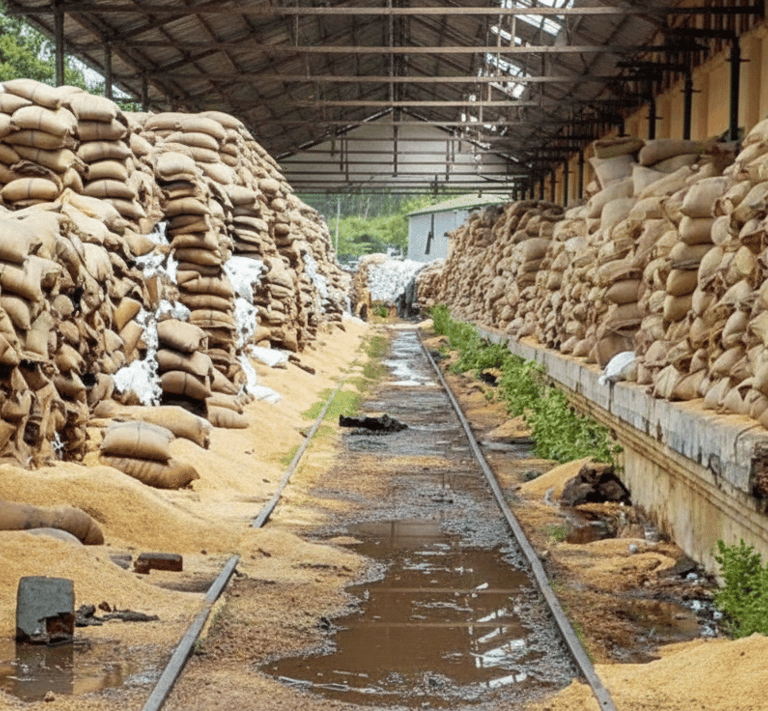
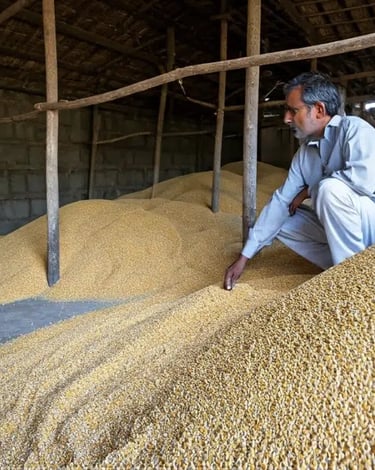
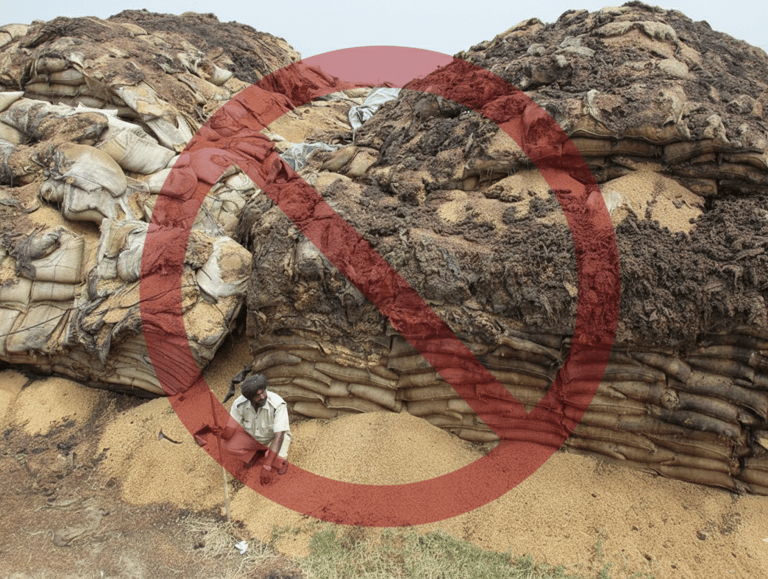
30 million tonnes stored in Cover and Plinth (CAP) systems with limited protection
15 million tonnes lost annually on average —unfit for human consumption
30 million tonnes nutritionally degraded, losing protein value
USD 2.5 billion in wasted resources each year
This isn't a failure—it's an opportunity to enhance food security without abandoning the traditions that work.
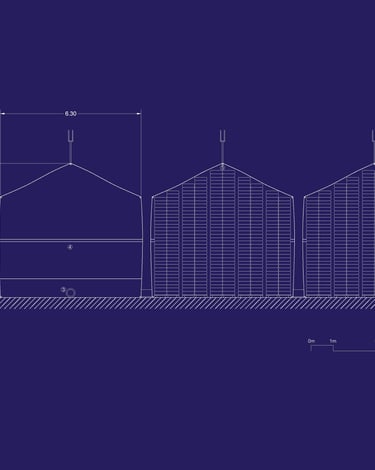
WHAT — The G3S Solution
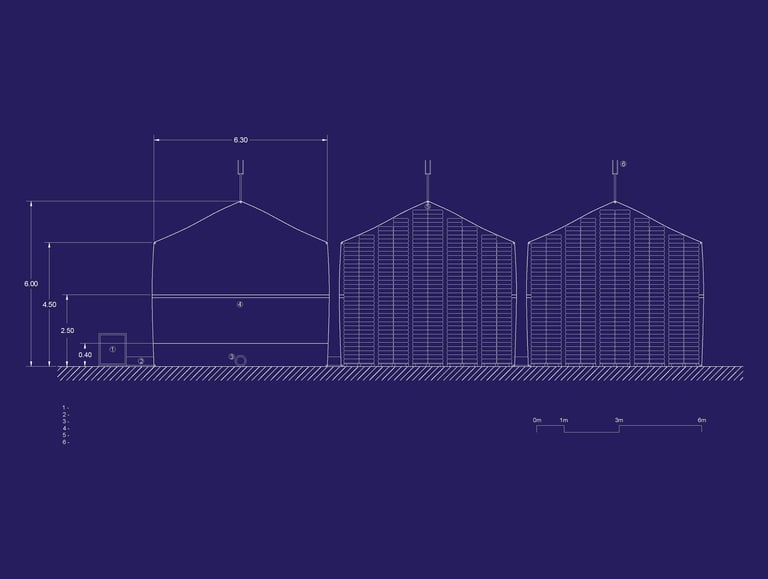
G3S is a hermetic storage system fully compatible with existing jute bags. It combines:
Passive atmospheric control with minimal energy use
Remote IoT monitoring for 24/7 stewardship
Modular design installable at villages, rural collection centres, cooperatives, warehouses or storage facilities
No disruption to traditional handling, transport, or labour. Just better preservation
It allows for a double generation of carbon credits: reduction of post-harvest losses + carbon sequestration in the soil
WHY — The Imperative
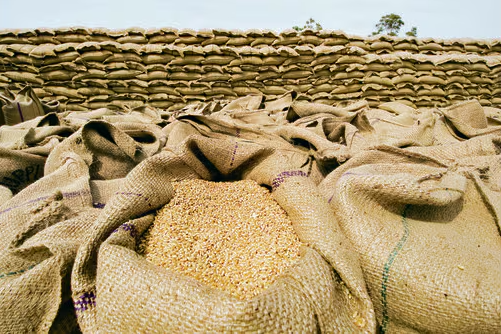
Current CAP systems fail to protect grain adequately. Metallic silos work but cost ten times more in carbon footprint and capital.
Whilst farmers receive payment for their grain, national resources are squandered—affecting food security and generating unnecessary emissions. The technological gap demands appropriate solutions, not imported complexity.
The question isn't whether change is needed—it's how to change whilst preserving what works.
HOW — Implementation Strategy
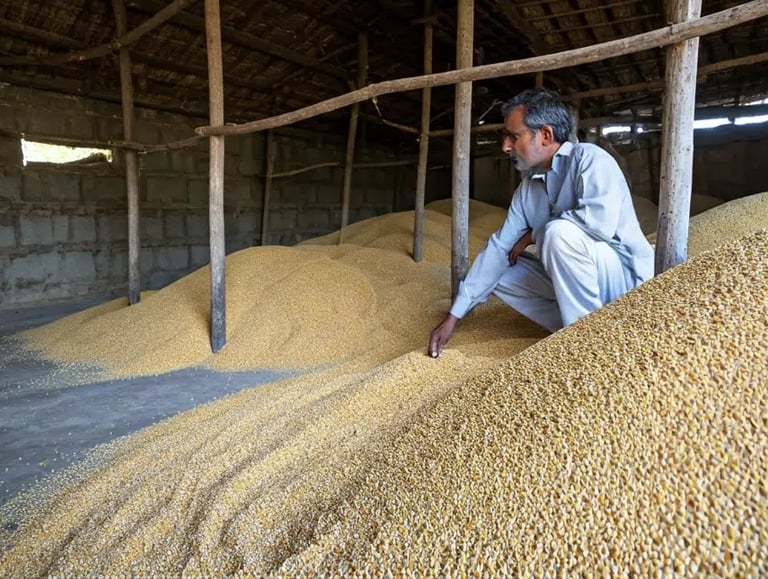
Context Adaptation: Works with existing jute bags and supply chains. The whole ecosystem doesn’t change harvest, handling, or transport methods
Appropriate Technology: Minimal electricity, ideal for rural areas. IoT monitoring with/without human intervention
Decentralised Storage: Reduces pressure on centralised infrastructure whilst improving regional logistics
Self-Financing Model: Carbon credits fund infrastructure expansion and farmers' transition to regenerative agriculture. The system pays for itself
WHO — Collaborative Ecosystem
This succeeds only through partnership with India's entire agri-food system:
Government agencies (FCI, CWC, State Warehousing Corporations)
Farmer Cooperatives and associations
Impact investors and climate funds
Logistics, processing, and technical organisations
Green Cross UK facilitates international expertise in hermetic storage and carbon methodologies
But this isn't a solution imposed from outside—it's a framework for Indian stakeholders to co-create their own sustainable future.
WHEN — Phased Approach
We're building foundations for lasting transformation, not rushing to premature scale.
Validation (Years 1–2): Controlled pilots comparing G3S against traditional systems. Evidence-based, transparent reporting
Progressive Scaling (Years 3–6): Expansion based on pilot results and regional demand. Continuous learning and adaptation
Consolidation (Years 7–12+): Conservative projection of 10 million tonnes annually preserved. Actual pace depends on ecosystem adoption, with potential for acceleration
WHERE — PAN India
Geography doesn't constrain G3S + ANYEA — it follows grain wherever it's stored.
Initial focus: Regions with high production and documented losses where CAP storage dominates
National scope: Anywhere traditional jute bag storage is used across India
Installation sites: Rural collection centres, farmer cooperatives, government distribution points, private warehouses, processing facilities


WHY — It's Effective
Equitable distribution — Higher benefits to farmers than conventional models
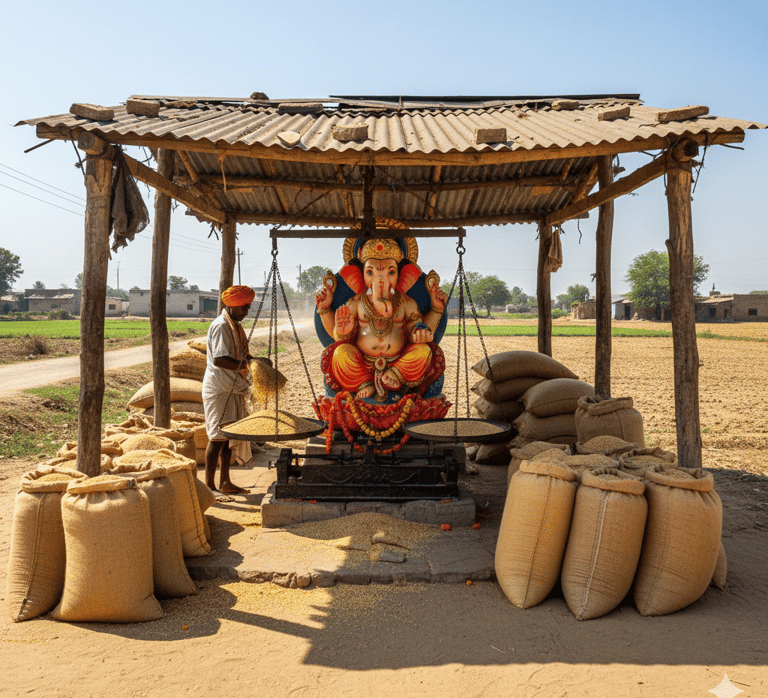
Respects tradition — Doesn't replace jute bags or disrupt livelihoods
Low carbon footprint — 10% of equivalent metallic silos
Minimal energy — Operates in areas with unreliable electricity
Self-sustaining — Carbon credits cover operational costs
Proven methodology — Built on VM0046, internationally recognised Verified Carbon Standard
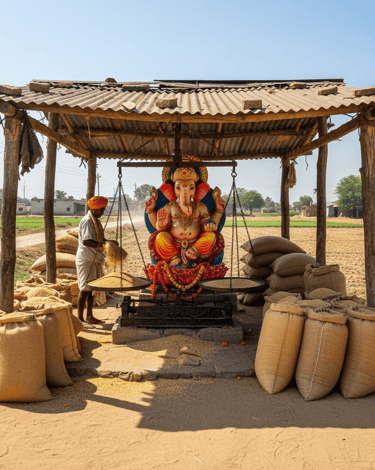
Evidence-Based Co-Creation
Aneya doesn't ask for faith—it offers evidence.
Our validation pilots will provide transparent, third-party verified data on grain loss, nutritional preservation, costs, carbon emissions, and economic returns.
The ecosystem we are developing will offer flexible implementation models (leasing, cooperative ownership, public-private partnerships) and an open dialogue to jointly design governance mechanisms and benefit distribution.
This isn't Green Cross UK's programme for India. It's India's programme, with Green Cross UK as technical partner.
ANEYA at a Glance
From Crisis to Opportunity.
From Waste to Worth.
15 million tonnes lost becomes 10 million tonnes preserved.
Wasted resources become climate finance.
Traditional systems become sustainable futures.
The grain is already there. The solution is proven. The opportunity is now.


Ready to Co-Create India's Grain Storage Future?
This isn't our solution for India—it's India's solution, and we're here to help build it together.
Whether you're government, cooperatives, investors, or technical partners—there's a role for you.
Three ways to start:
Request our technical dossier
Book a call with our team
Join validation pilots
The grain is there. The solution is proven. Let's make it happen.


WHERE TO FIND US:
Registered Office: 7 Bell Yard, London, WC2A 2JR, United Kingdom
Switchboard: +44 (0) 330 818 7382
Email: joinus@green-cross.org.uk


Member of Green Cross International | Founded by Mikhail Gorbachev in 1993
© 2026 Green Cross United Kingdom. All rights reserved.


Signatory of: